
Amplifying E-commerce Success: The Integral Role of Omnichannel PIM
Learn how an omnichannel PIM strategy drives retail growth. Synchronize product feeds, eliminate errors, and boost multi-marketplace search rankings.
AicodePro Team
VERIFIED AUTHOR
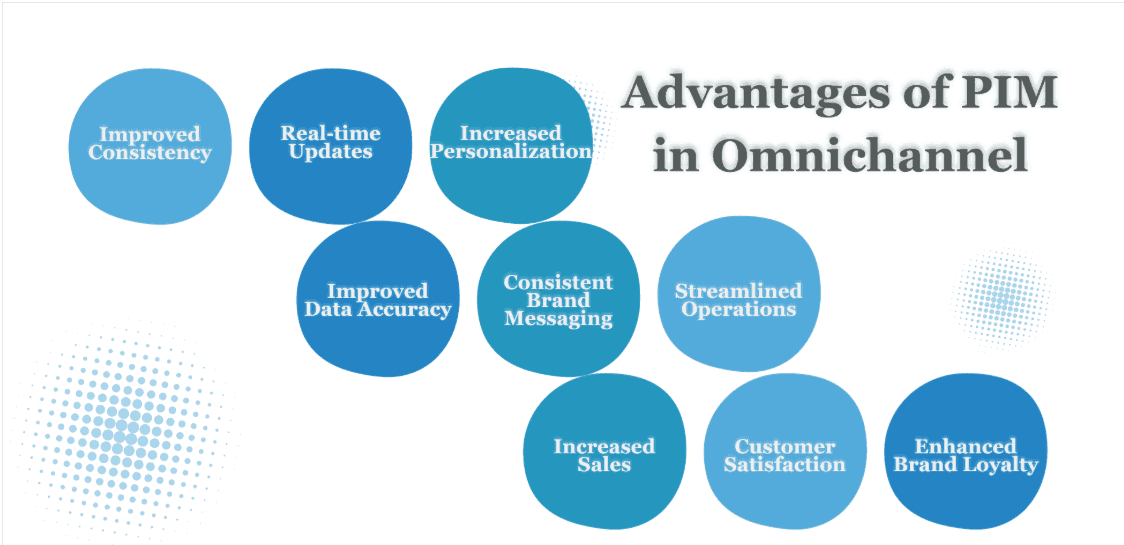
Modern consumer journeys are rarely linear. A buyer might discover a product on social media, compare specifications on Google, inspect reviews on an e-commerce marketplace, and finally complete checkout on a mobile app. An omnichannel PIM strategy guarantees that product data remains consistent, rich, and compelling across every touchpoint.
The Hidden Costs of Fragmented Catalog Data
Operating without a centralized, omnichannel product hub introduces severe business risks:
- Listing Suspensions: Marketplaces like Amazon and Google Shopping enforce strict schema formatting; conflicting specifications can trigger immediate product listing rejections.
- Customer Returns: Mismatched dimensions, inaccurate material descriptions, and broken sizing charts are the leading cause of retail product returns.
- SEO Cannibalization: Syndicating identical boilerplate descriptions across multiple regional storefronts dilutes organic ranking authority.
Implementing an Omnichannel PIM Architecture
A resilient omnichannel strategy relies on a single source of truth for all product entities. By maintaining master product records in an AI-powered headless repository, marketing and technical teams can push customized variants, localized currency values, and channel-specific keywords simultaneously.
Scale Your Multi-Channel Sales with AiCodePro
Seamless catalog syndication is essential for scaling retail revenue. Explore how our Catalist AI PIM automates multi-channel distribution, and deploy our Enterprise AI Chatbot to answer complex customer product queries instantly across all your digital channels.
Share with AI
Summarize this article, answer my questions based on it, and help me understand the key insights with your favorite AI assistant.